

Your CIBIL score is much more than just a number; it’s the key to unlocking lower interest rates, premium credit cards, and speedy loan approvals. For any individual aiming to secure financial stability or achieve future goals, understanding how to increase your CIBIL score is paramount. Read on for actionable strategies, expert tips, essential FAQs, and your guide to real credit success.
What Is Your CIBIL Score, and Why Does It Matter?
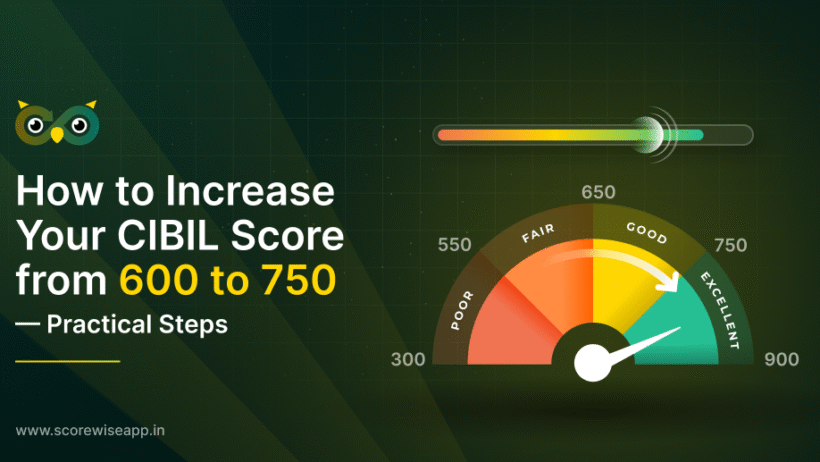
The CIBIL score, ranging from 300 to 900, is India’s most widely recognised credit rating, tracked by TransUnion CIBIL. Banks and lenders use this score to determine your creditworthiness and whether you qualify for loans, credit cards, mortgages, and even some employment roles.
A score above 750 is considered excellent, opening doors to preferential interest rates and elite financial products. Conversely, a score below 600 stems from missed payments or overused credit, resulting in costly rejections or higher lending costs.
Ten Proven Ways to Increase Your CIBIL Score
Improving your CIBIL score is not an overnight endeavour. However, with strategic actions and disciplined financial habits, your score can steadily climb, presenting you with far more opportunities. Here is a set of proven strategies for consumers:
1. Pay Your Dues On Time, Every Time
Timely repayments are the single most important factor influencing your credit score, accounting for roughly 35% of its value. Delayed or missed payments immediately diminish your score and remain as negative marks for years.
- Set automatic repayments using bank standing instructions.
- Maintain at least six months of punctual payments for visible improvement.
2. Keep Your Credit Utilisation Below 30%
Banks want evidence of prudent credit management. Using more than 30% of your available credit, even for a single card or loan, signals high dependency.
- For example, if your credit limit is ₹1,00,000, keep monthly usage under ₹30,000.
- Accept credit limit upgrades, but avoid increasing your spending to match.
3. Diversify Your Credit Portfolio
Credit portfolios with a balance of secured (home, car) and unsecured (personal loans, cards) credit are more credible to lenders.
- Avoid multiple new loans at once, indicating financial stress.
- Use secured credit cards (against fixed deposits) if your score is under 650.
4. Limited Loan Applications
Each application triggers a ‘hard inquiry’ on your report, a factor that can lower your score by a few points.
- Compare credit products before applying, and avoid multiple applications in quick succession.
- Use digital tools like ScorewiseApp for eligibility checks.
5. Regularly Check and Correct Your Credit Report
Errors ranging from wrong balances to old settled loans can unfairly drag down your score.
- Check your score monthly via the CIBIL website or the Scorewise app.
- Dispute inaccuracies instantly to speed up recovery.
6. Reduce Outstanding Balances
High outstanding balances, especially on credit cards, harm your usage rate and score.
- Prioritise payments for smaller or high-interest debts first.
- Consider personal loan consolidation for simpler repayments.
7. Maintain Old Credit Accounts
Length of credit history counts positively; older accounts establish credit trustworthiness.
- If accounts are not in use, make small transactions every few months.
- Only close accounts if they incur expensive annual fees.
8. Avoid Being a Guarantor Unless Certain
Guaranteeing someone else’s loan can expose you if the primary borrower defaults, causing direct damage to your score.
- Become a guarantor only if you are confident in the person’s credit behaviours.
9. Opt for Longer Loan Tenures
Longer tenures reduce monthly EMIs, increasing your likelihood of timely repayments. This consistency benefits your score.
- Trade-off: longer tenures may mean more interest paid over time.
10. Practise Credit Patience and Persistence
Time heals credit wounds. Most improvements occur gradually over 6–12 months. Unless you correct major errors or pay dues, quick fixes rarely result in substantial increases.
FAQ
1. How quickly can I increase my CIBIL score?
Significant improvements typically require a minimum of 4 to 12 months. Consistency in payments, reduced utilisation, and correcting errors can show results within a few months, while serious defaults may take longer.
2. Will checking my own CIBIL score lower it?
No. Checking your score is a ‘soft inquiry’ and does not affect your CIBIL score. Only lender-initiated checks for new credit applications impact your rating.
3. Can taking a personal loan help improve my score?
Yes, if you repay it on time and never miss an EMI. Responsible management of loans builds a positive repayment history and helps establish long-term credit discipline.
4. What score is needed for the best loan deals?
A score above 750 is generally required for the most attractive loans and credit cards. Some lenders offer near-premium products for scores above 700, but always seek to reach 750+.
5. What should I do if my credit report shows an error?
Raise a dispute with CIBIL via their website or through trusted apps like Scorewise. Provide all documentation and track updates until the error is resolved.